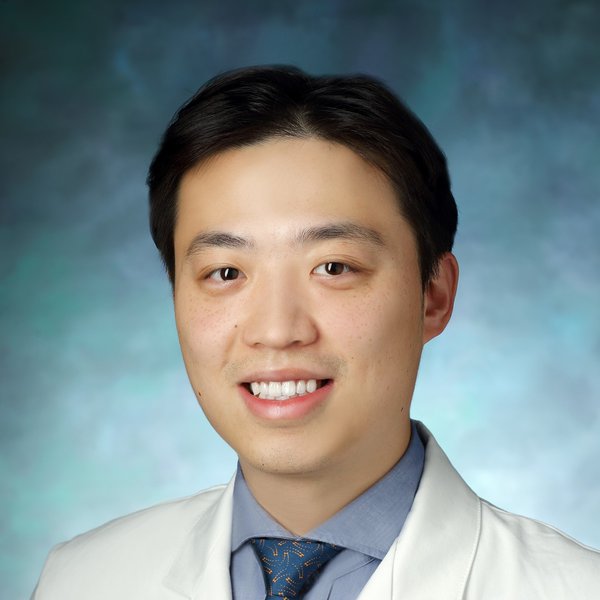
Junyu Chen, Ph.D.
Instructor, Russell H. Morgan Department of Radiology and Radiological Science
Johns Hopkins University School of Medicine
I am an Instructor in the Radiological Physics Division of the Russell H. Morgan Department of Radiology and Radiological Science at Johns Hopkins University School of Medicine. My research develops machine learning methods for medical image analysis, with a focus on image registration, segmentation, and denoising across nuclear medicine (PET and SPECT), CT, and MRI.
I work closely with Dr. Yong Du in the Quantitative Imaging Biomarker (QIB) Lab, and with Drs. Aaron Carass and Jerry Prince in the Image Analysis and Communications Lab (IACL) in the Department of Electrical and Computer Engineering. I also maintain an informal affiliation with the KU Lab led by Dr. Katsuyuki “Ken” Taguchi.
I am an active member of the MICCAI Society, where I serve on the committee of the Special Interest Group in Biomedical Image Registration (SIG-BIR) and co-organized the Learn2Reg 2024 and 2025 image registration challenges. Within the Society of Nuclear Medicine and Molecular Imaging (SNMMI), I serve as a non-voting member of the Board of Directors of the Physics, Instrumentation & Data Sciences Council (PIDSC) for a two-year term that began in July 2025.
I received my Ph.D. in Electrical and Computer Engineering from Johns Hopkins University in 2022, advised by Dr. Eric C. Frey, following an M.S.E. from Johns Hopkins (2019) and dual B.Sc. degrees, summa cum laude, in Computer Engineering and Electrical Engineering from North Carolina State University (2017).
Research interests
- Medical image registration
- Image segmentation
- Image denoising & reconstruction
- Nuclear medicine imaging (PET, SPECT)
- Deep learning & machine learning
- Digital anthropomorphic phantoms
Recognition


Selected publications All publications

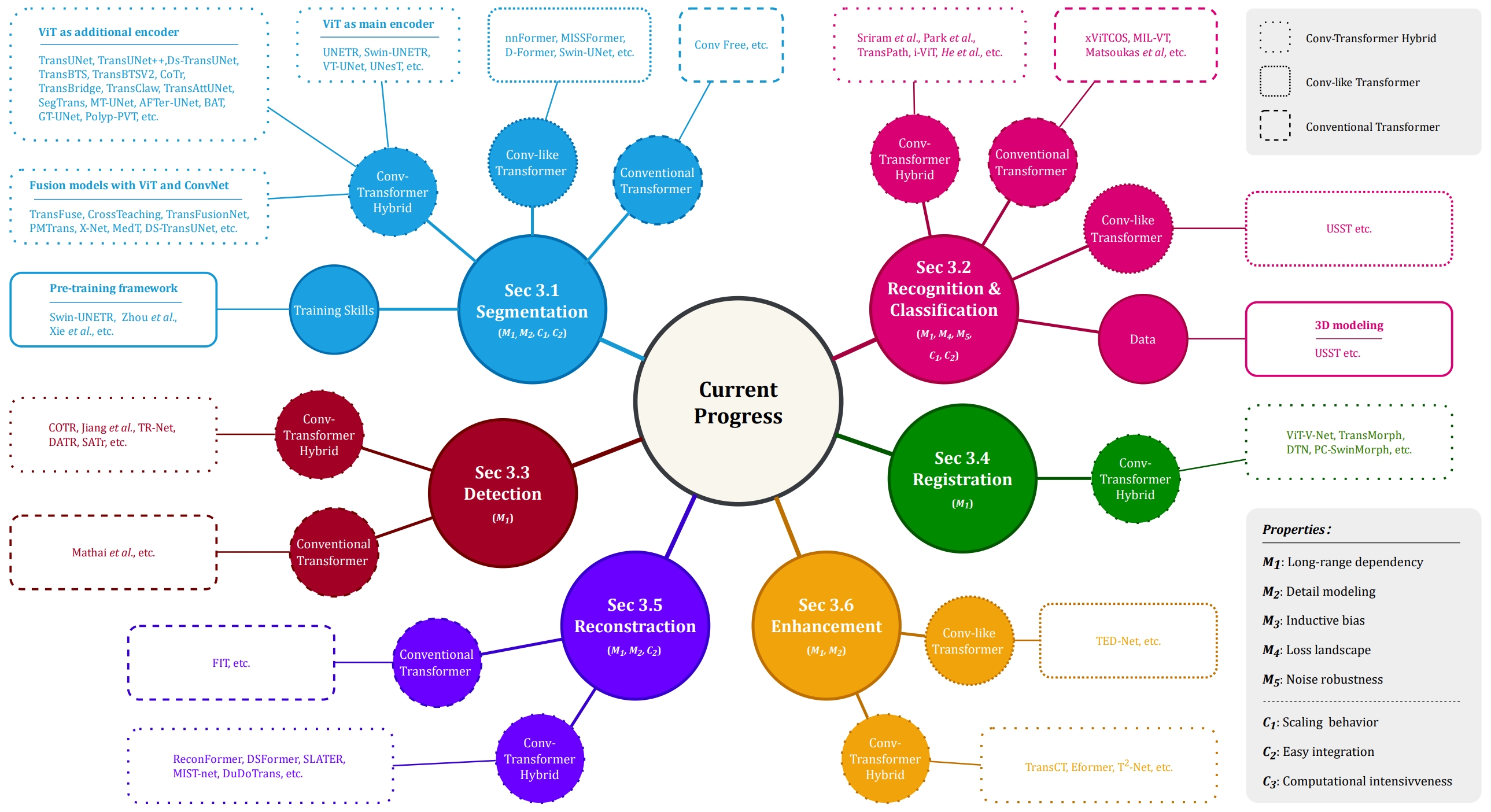
Software & project pages
MIR
A research toolkit for medical image registration
Modular PyTorch framework with training, evaluation, and pretrained registration models.
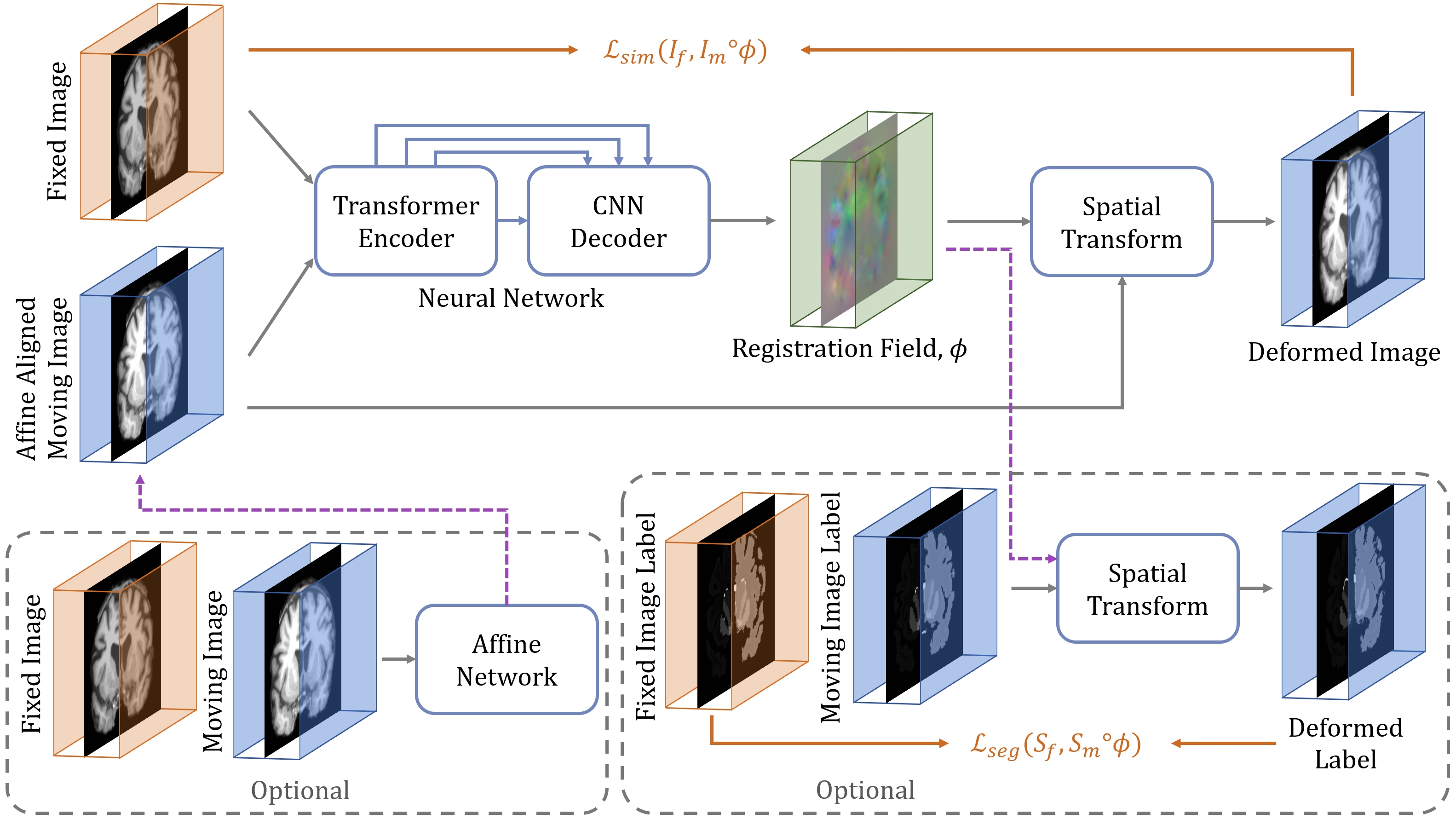
TransMorph
Transformer for unsupervised medical image registration
Hybrid Transformer-ConvNet registration models, including diffeomorphic and Bayesian variants.
FCM Loss
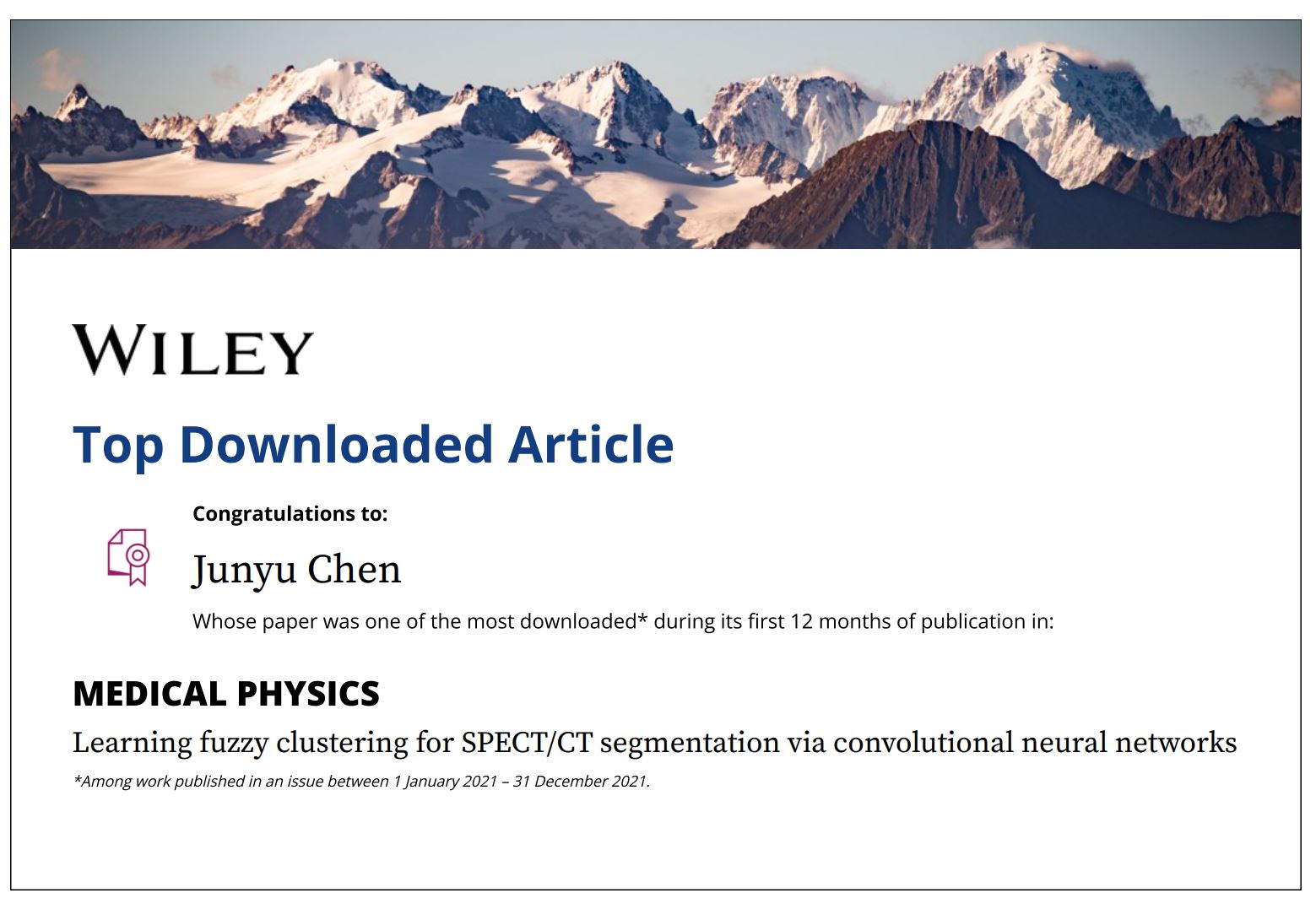
Learning fuzzy clustering for SPECT/CT segmentation
Unsupervised, semi-supervised, and supervised loss functions derived from fuzzy C-means.
News
- Named to the 2026 Stanford/Elsevier list of the world’s top 2% scientists (science-wide standardized citation indicators).
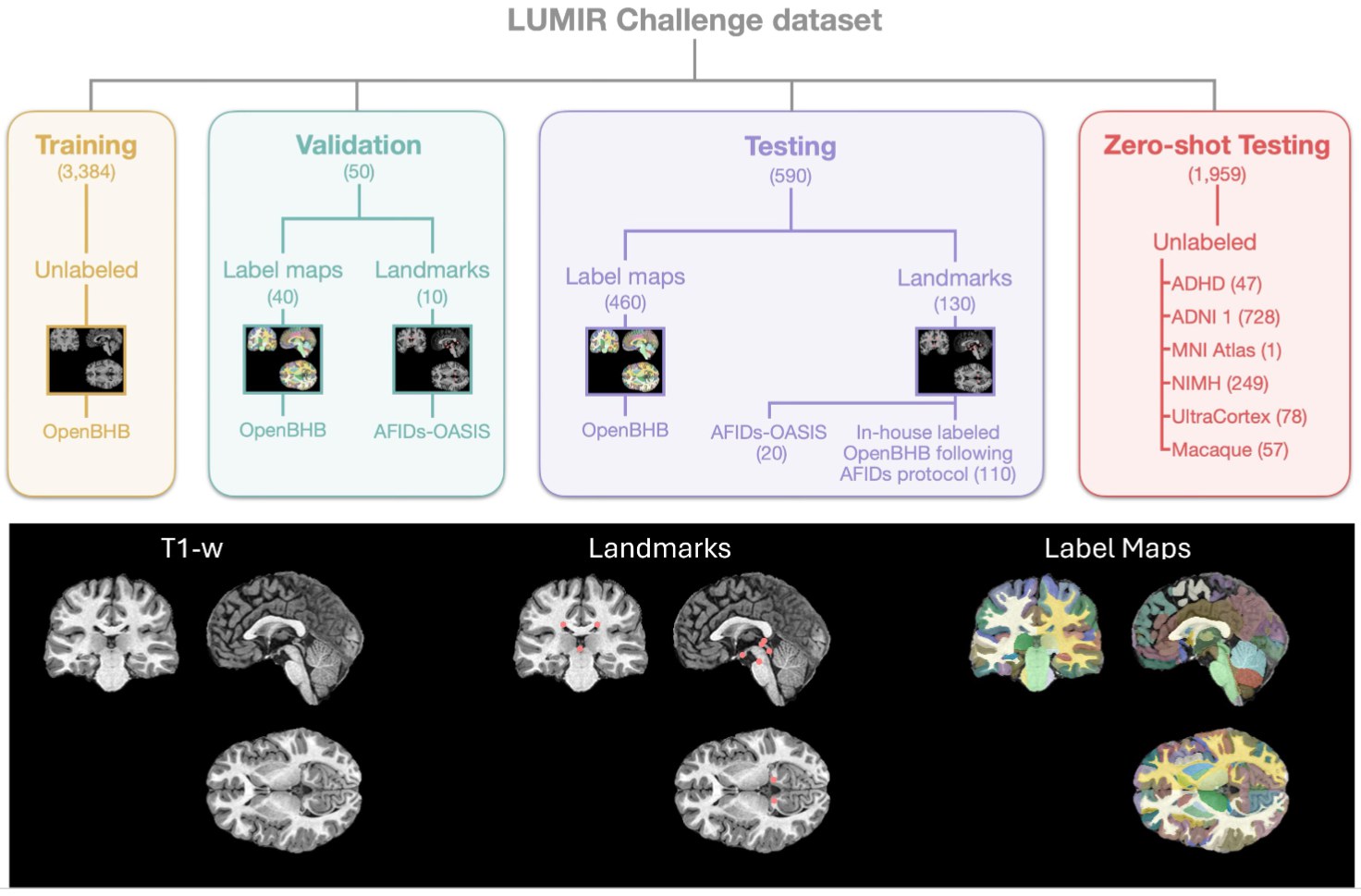
- Journal paper accepted by Medical Image Analysis: “Beyond the LUMIR challenge: The pathway to foundational registration models.”
- Co-authored paper accepted by IEEE Transactions on Medical Imaging.
- Co-authored paper accepted to CVPR 2026.
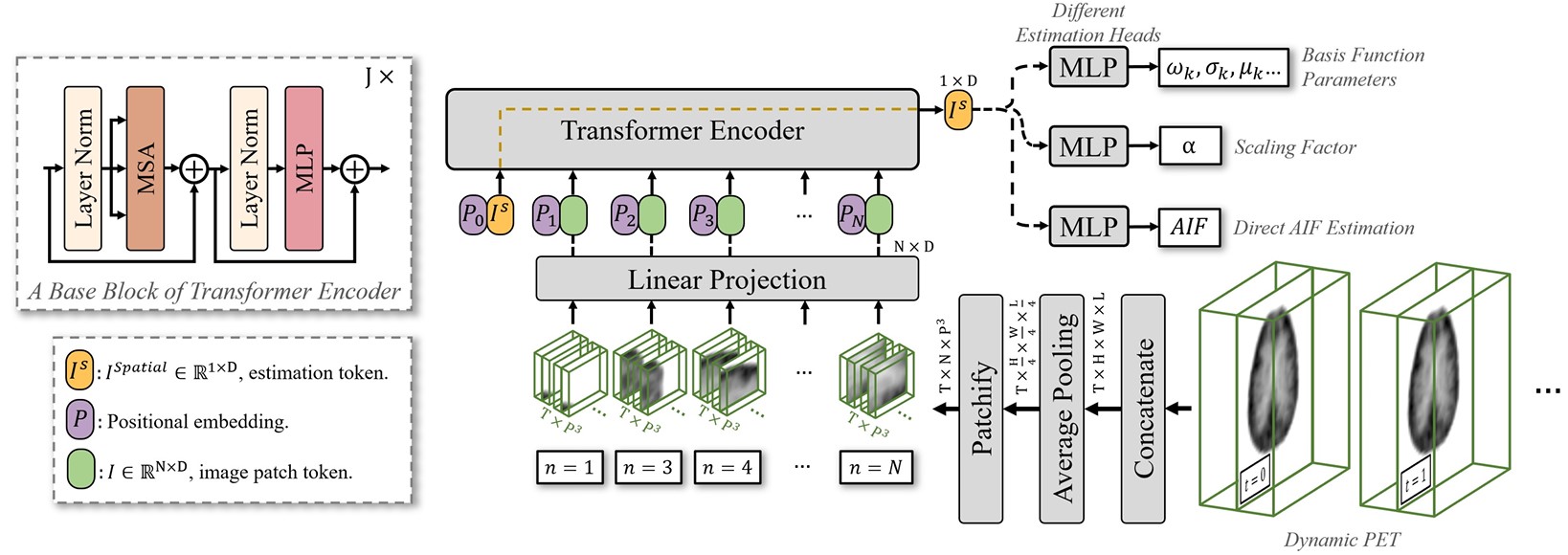
- Journal paper accepted by NeuroImage: deep learning-derived arterial input function for dynamic brain PET.
- Journal paper accepted by Medical Image Analysis: unsupervised learning of spatially varying regularization.
- Co-authored paper accepted to NeurIPS 2025.
- Appointed as a non-voting member of the Board of Directors of the SNMMI Physics, Instrumentation & Data Sciences Council (PIDSC) for a two-year term starting July 2025.
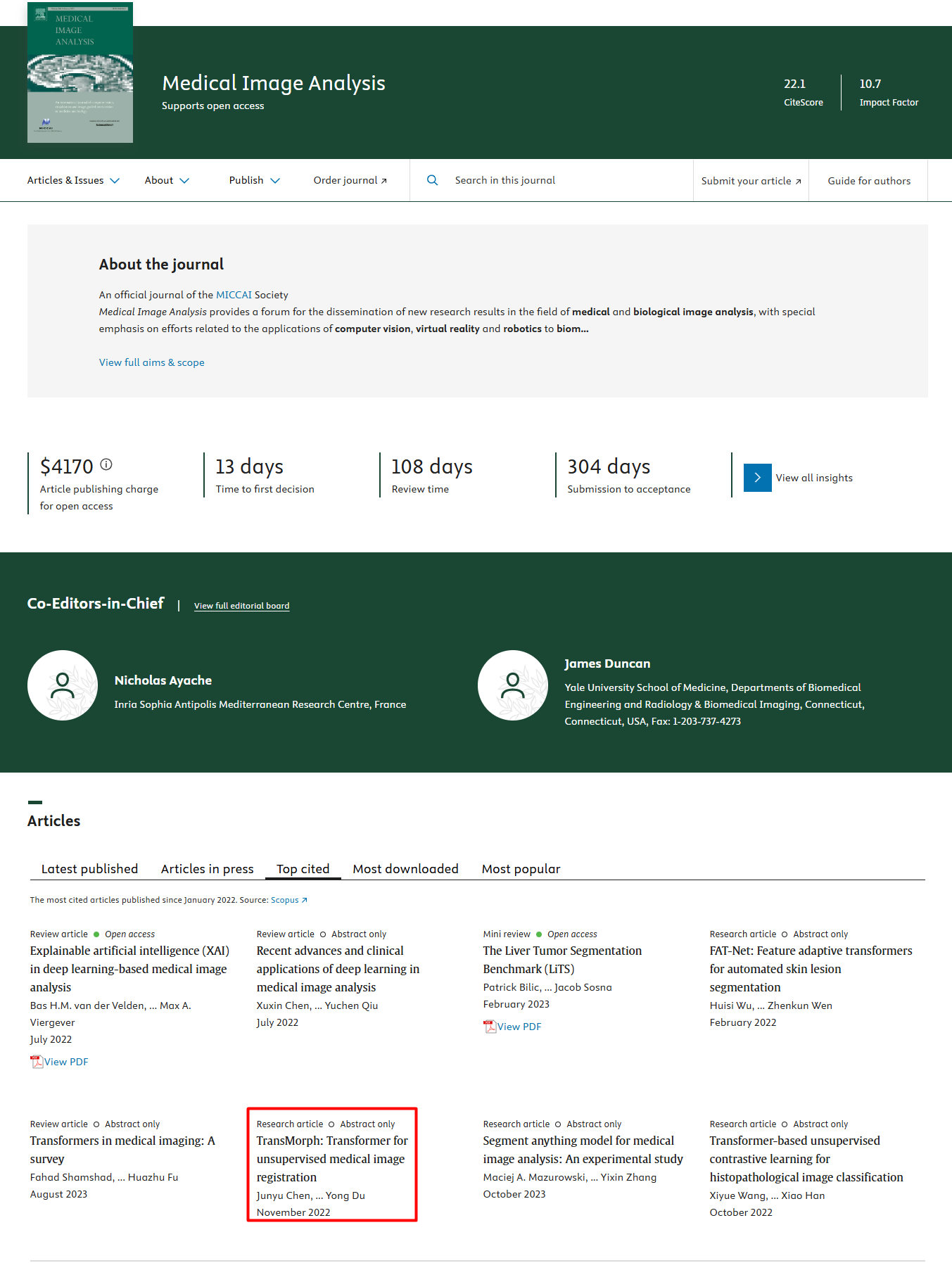
- TransMorph is among the top-cited papers in Medical Image Analysis.
- Awarded a $5,000 faculty research credit from Google Cloud.
- Selected as a 2024 gold-level distinguished reviewer for IEEE Transactions on Medical Imaging.
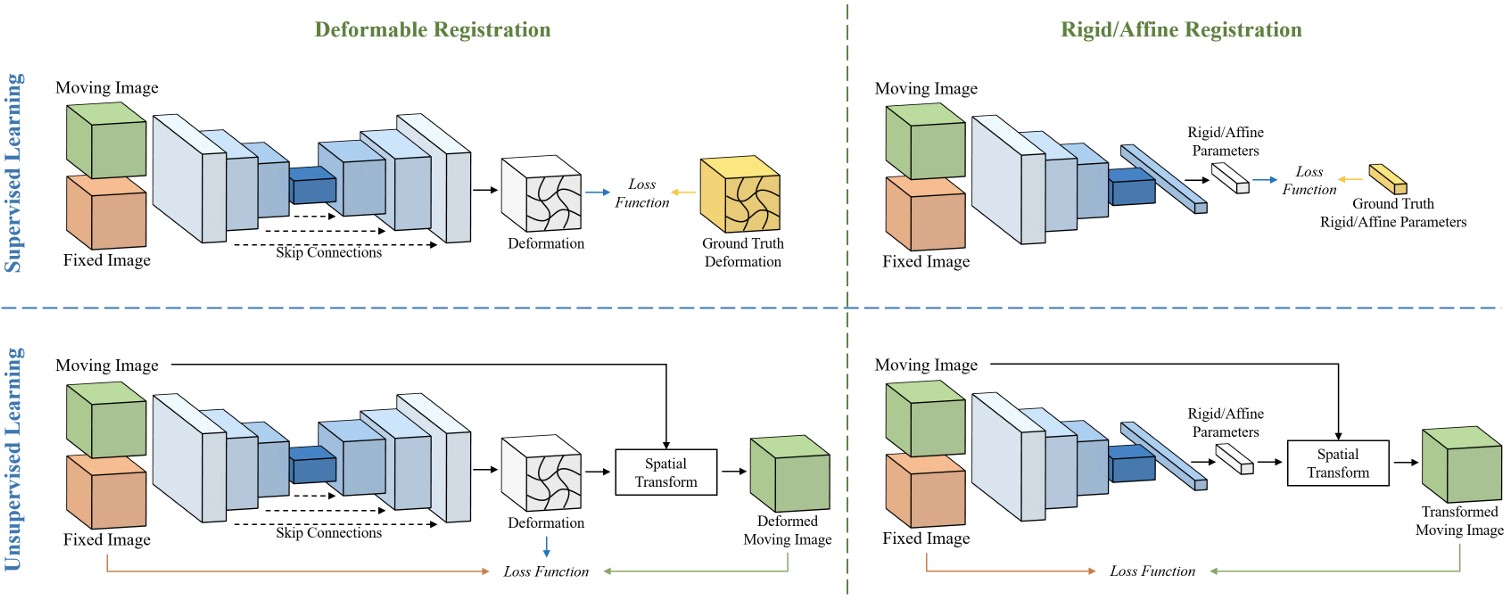
- Journal paper accepted by Medical Image Analysis: a survey on deep learning in medical image registration.
- Interviewed by Lifestyles Magazine about my research and its impact on healthcare.
- Co-authored journal paper accepted by the International Journal of Computer Vision.
- Paper accepted to IEEE ISBI 2024.
- Named to the Forbes 30 Under 30 (2024), Healthcare list.
- Co-authored journal paper accepted by IEEE Transactions on Medical Imaging.
- Selected as a 2023 gold-level distinguished reviewer for IEEE Transactions on Medical Imaging.
- Received an honorable mention as a reviewer for MICCAI 2023.
- Received the 2023 IEEE NSS/MIC/RTSD Trainee Grant.
- Won a 2023 Johns Hopkins Discovery Award with Yong Du, Steven Rowe, and Aaron Carass (announcement).
- First-author papers were among the most downloaded articles in Medical Image Analysis and Medical Physics.
- Journal paper accepted by Medical Image Analysis: a comparative review of Transformers in medical imaging.
- Joined Johns Hopkins Medicine as a research faculty member.
- Successfully defended my dissertation and earned my Ph.D.
- Journal paper accepted by Medical Image Analysis: TransMorph.
- Paper accepted to WBIR 2022 as a long oral.
- Received the 2022 SNMMI Student Research Grant Award.
- Ph.D. thesis proposal accepted.
- Featured in MICCAI Daily 2021.
- Passed the Graduate Board Oral exam and advanced to Ph.D. candidacy.
Education
-
 Ph.D. in Electrical & Computer Engineering, Johns Hopkins University, 2022
M.S.E. in Electrical & Computer Engineering, Johns Hopkins University, 2019 -
 B.Sc. in Computer Engineering, summa cum laude, North Carolina State University, 2017
B.Sc. in Electrical Engineering, summa cum laude, North Carolina State University, 2017
Honors & awards
- 2026 Stanford/Elsevier World's Top 2% Scientists
- 2024 Forbes 30 Under 30 in Healthcare
- 2024 Google Cloud faculty research credit
- 2023 Johns Hopkins Discovery Award
- 2023 IEEE NSS/MIC/RTSD Trainee Grant
- 2023, 2024 Gold-level distinguished reviewer, IEEE Transactions on Medical Imaging
- 2023 Outstanding reviewer, honorable mention, MICCAI
- 2022 SNMMI Student Research Grant Award (Discovering Molecular Imaging)
- 2019–2022 Fully funded graduate assistantship, Radiological Physics Division, Johns Hopkins Medical Institutions